AC Blowing Warm Air? Find Out Why
Your air conditioner is running, the fan is blowing, but the air coming out of the vents is warm — or at best, not cold. In South Louisiana, where the difference between a working and non-working AC in July can be the difference between a bearable home and a health hazard, this problem needs to be diagnosed and fixed quickly. Is your AC blowing warm air? Here’s a complete breakdown of every reason an AC blows warm air, from the simple to the serious.
Quick Checks Before Calling for Service
Start with these before scheduling a service call:
Thermostat setting: Check that the thermostat is set to COOL, not HEAT. Also check that the fan setting is on AUTO, not ON. When the fan is set to ON, it runs continuously — even when the system isn’t actively cooling. During the off cycle, it circulates uncooled air that feels warm.
Outdoor unit circuit breaker: Go to your electrical panel and find the breaker for the outdoor AC unit (usually a double-pole 30-40 amp breaker labeled ‘AC’ or ‘compressor’). If it’s tripped, reset it once. If it trips again, there’s an underlying electrical problem that needs a technician.
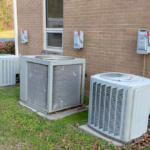
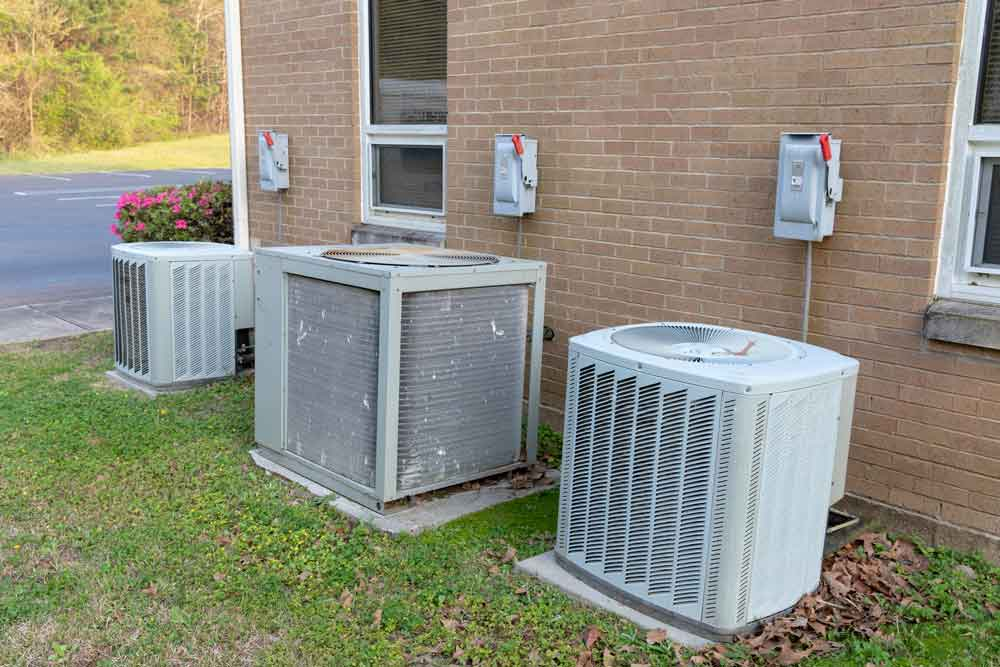
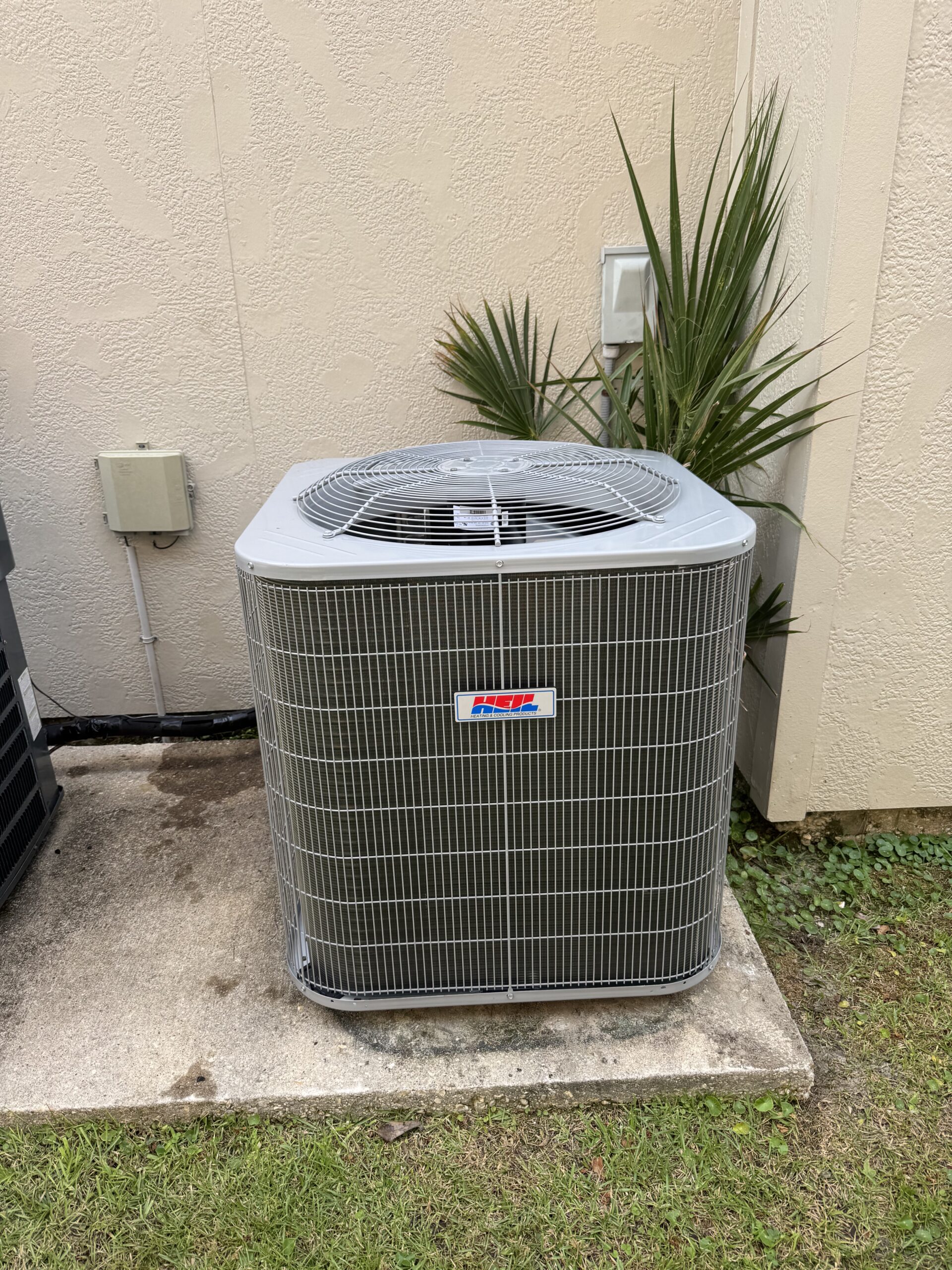
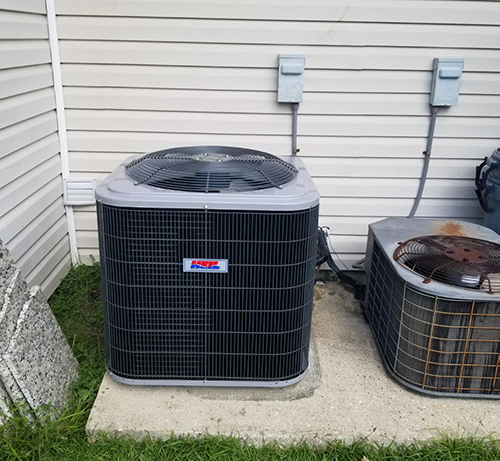
Outdoor unit: Walk outside and look at the outdoor unit. Is the fan spinning? Is there a burning smell? Is ice visible on the unit or refrigerant lines? If the outdoor unit fan isn’t spinning but you can hear the compressor humming, a capacitor may have failed.
Technical Causes of Your AC Blowing Warm Air
If basic checks don’t resolve it:
Low refrigerant: The most common technical cause of warm air. Refrigerant is what makes the cooling happen — without the right charge, the system can’t absorb heat from the indoor air. This requires a technician with refrigerant handling certification.
Failed capacitor: The run capacitor helps keep the compressor and condenser fan motor running. A failed capacitor can cause one or both to stop running, leaving the fan blowing but no cooling happening. Capacitors fail frequently in South Louisiana heat and are a common, relatively straightforward repair.
Failed contactor: The contactor is an electrical switch that sends power to the outdoor unit. When it fails, the outdoor unit won’t receive power — the indoor blower runs but the compressor and outdoor fan don’t, resulting in warm air.
Dirty condenser coil: A heavily soiled outdoor coil can’t release heat to the outside air efficiently. In severe cases, this causes the system to run in what’s essentially a heat-recirculation mode where it can’t get ahead of the heat load.
Compressor failure: When the compressor fails, it may continue to draw power and make noise but won’t pump refrigerant. The result is the system running without any actual cooling. This is the most expensive AC repair and sometimes leads to a system replacement decision.
Refrigerant doesn’t get used up in normal operation. If the charge is low, refrigerant is escaping somewhere through a leak.
One Call Does It All – Schedule Your Home Service Today!
Expert HVAC services for homes across South Louisiana.
The Refrigerant Question: Can I Just Add More?
This is a common question from homeowners who’ve been told their AC is ‘low on freon.’ Here’s the important context:
Refrigerant doesn’t get used up in normal operation. An AC system is a closed loop — the refrigerant circulates continuously. If the charge is low, refrigerant is escaping somewhere through a leak.
Just adding refrigerant without finding and fixing the leak is a temporary fix. You’ll pay for refrigerant again next year, and the leak may be slowly damaging the compressor in the meantime.
A proper refrigerant service includes leak detection, leak repair (if accessible and cost-effective), and recharge to the correct level. Some leaks are in accessible locations and straightforward to repair. Others (internal compressor leaks, coil leaks in certain configurations) may tip the scale toward system replacement rather than repair.
Get Your AC Blowing Cold Again
JMB A/C diagnoses and repairs AC warm-air problems throughout Metairie, New Orleans, Chalmette, Slidell, Covington, Meraux, and St. Bernard Parish.
Call or text (985) 290-4395 today.