Introduction
Your air conditioning unit is made up of dozens of components working in coordination — compressors, coils, capacitors, motors, electrical controls, and refrigerant systems. When any one of them fails or degrades, the entire system suffers. In South Louisiana’s demanding climate, knowing when AC unit repair is needed — and acting on it quickly — can mean the difference between a minor service call and a major, expensive failure.
The Two Parts of Your AC Unit (And Why Both Matter)
Most homeowners think of their AC as one unit, but it’s actually a split system with two main components:
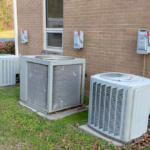
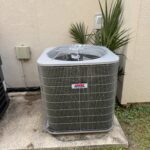
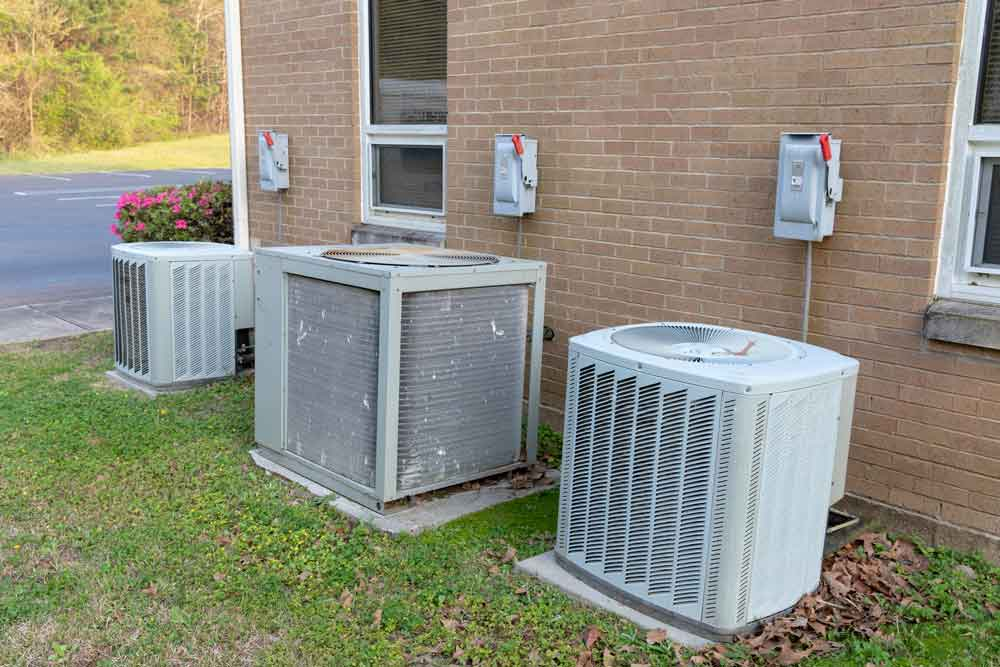
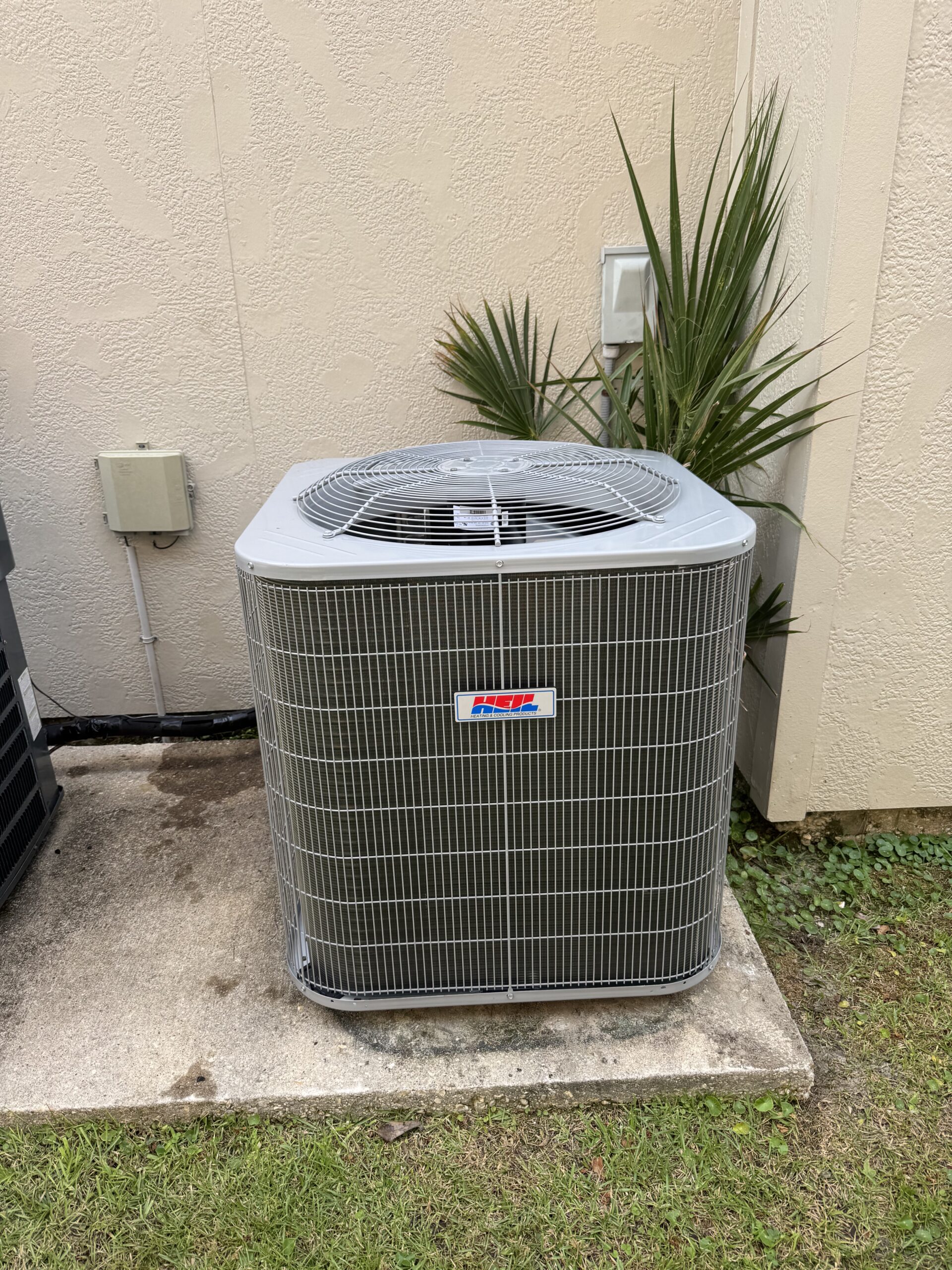
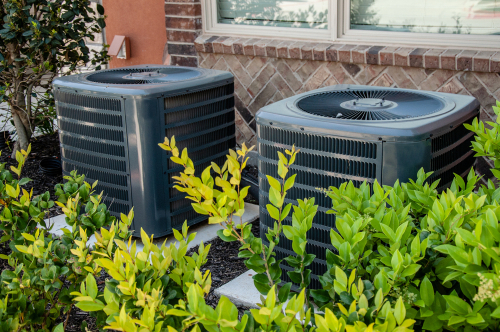
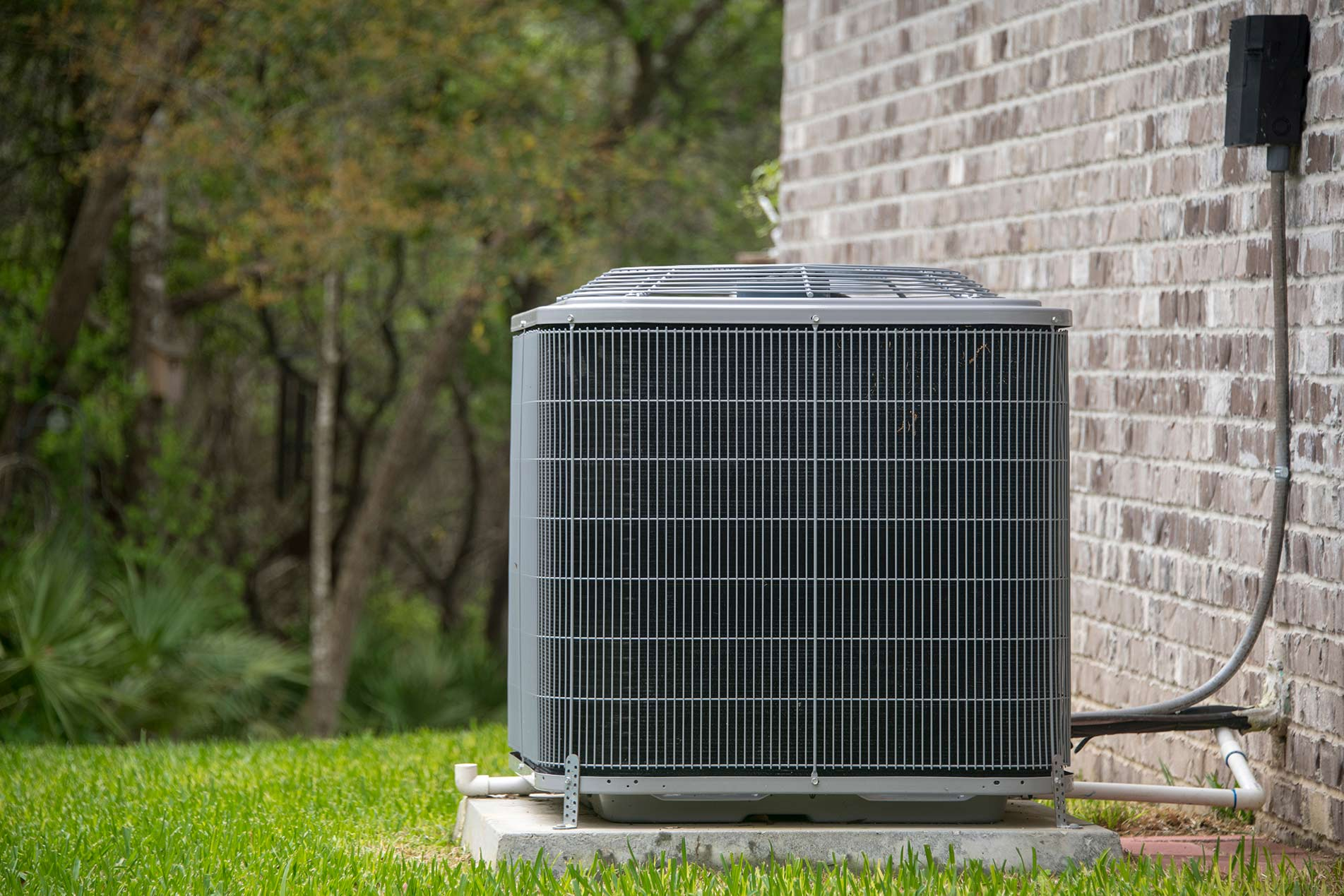
The outdoor unit (condensing unit) contains the compressor, condenser coil, and condenser fan. This is the metal box outside your home. It’s responsible for releasing the heat that was absorbed from inside the house. This unit is exposed to the elements — sun, rain, humidity, salt air, and everything else the Louisiana climate delivers.
The indoor unit (air handler) contains the evaporator coil, blower motor, and filter. This is typically in a closet, attic, or utility room. It’s responsible for absorbing heat from the indoor air and sending cooled air through your ductwork.
Problems can occur in either unit or in the refrigerant lines and electrical connections between them. A complete AC unit repair diagnosis looks at both.
7 Signs Your AC Unit Needs Repair Right Now
1. The system runs but can’t keep up with the heat. If your thermostat is set to 74 but the house is sitting at 82 even though the system is running constantly, something is wrong. In South Louisiana’s summer, this is often the first sign of low refrigerant or a failing compressor.
2. You hear unusual noises. Different sounds indicate different problems:
- Grinding or squealing: motor bearing failure
- Banging or clanking: loose or broken components inside the unit
- Clicking at startup or shutdown: normal, but clicking during operation can indicate an electrical problem
- Hissing or bubbling: possible refrigerant leak
3. Ice is forming on the unit or lines. Ice on the refrigerant lines or evaporator coil seems counterintuitive but indicates a problem — usually restricted airflow or low refrigerant. Running the system with ice buildup can damage the compressor.
4. Water is leaking around the indoor unit. The indoor unit produces condensate water as it dehumidifies your air. If that water isn’t draining properly, it backs up and overflows. Left unaddressed, this causes water damage and mold growth.
5. The outdoor unit isn’t running. If the indoor unit is running but you walk outside and the outdoor unit is silent, there’s a problem in the outdoor unit or the electrical connections between the two.
6. Your energy bills are spiking. A system that’s working inefficiently due to dirty coils, low refrigerant, or a failing component uses more electricity to do less work. An unexpected increase in your power bill during summer is worth investigating.
7. The air coming out of vents is warm or barely cool. This is the most obvious sign, but it’s worth mentioning — your AC should be delivering air that’s 15-20 degrees cooler than the return air temperature. Anything less indicates a problem.
Your AC should deliver air that’s 15–20 degrees cooler than the return air temperature. Anything less indicates a problem.
One Call Does It All – Schedule Your Home Service Today!
Expert HVAC services for homes across South Louisiana.
What a Proper AC Unit Repair Looks Like
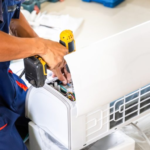
A proper repair starts with a proper diagnosis. Too many service calls result in the technician replacing the most obvious failed component without checking why it failed or whether it caused secondary damage to other parts of the system.
At JMB A/C, our diagnostic process covers:
- System pressures (suction and discharge) to assess refrigerant charge and compressor health
- Electrical measurements on capacitors, contactors, and motors
- Temperature differential across the evaporator coil
- Airflow measurement
- Drain line inspection and flush
- Visual inspection of coil condition, wiring, and refrigerant lines
This complete picture tells us not just what failed, but why — and whether there are other components that are stressed and likely to fail soon. We’d rather tell you that two components need attention now than have you call us back in two weeks when the second one fails on a 98-degree day.
AC Unit Repair in Metairie, New Orleans, Chalmette, Slidell, Covington, Meraux, and St. Bernard Parish
JMB A/C services the entire South Louisiana area with fast, honest AC unit repair. We carry the most common repair parts on our trucks to complete most repairs on the first visit.
Call or text (985) 290-4395 to schedule your AC unit repair today.