Introduction
Your HVAC system is the hardest-working appliance in your home — especially in South Louisiana, where it runs almost year-round against heat, humidity, and everything a Gulf Coast climate throws at it. When something goes wrong, knowing what to look for, when to call a professional, and what a proper HVAC repair looks like can save you significant time, money, and discomfort.
The South Louisiana Difference: Why HVAC Systems Work Harder Here
HVAC systems in the New Orleans metro area face conditions that are simply more demanding than most of the country. The combination of high summer temperatures, extreme humidity, and the occasional tropical storm creates a perfect storm for HVAC wear and failure.
Here’s what that means practically:
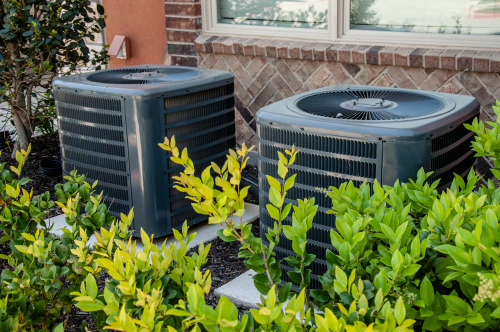
Runtime hours: An HVAC system in South Louisiana may run 10-14 hours per day during peak summer months. Compare that to 4-6 hours in a more temperate climate. More runtime means more wear on every component — compressors, capacitors, contactors, fan motors, and refrigerant system.
Moisture load: Our humidity doesn’t just make you uncomfortable — it makes your HVAC work significantly harder. The system has to remove enormous amounts of moisture from the air before it can even start cooling. This stresses the refrigerant system and means the condensate drain line is working overtime.
Mold and biological growth: Warm, humid air mixed with cold evaporator coils creates the perfect environment for mold, algae, and bacteria. This can clog drain lines, reduce airflow across the coil, and create the musty smell that many South Louisiana homeowners know well.
Salt air: Homes near the coast or Lake Pontchartrain face additional corrosion on outdoor condensing unit coils and electrical components from salt-laden air.
HVAC Repair vs. HVAC Maintenance: What’s the Difference?
These terms are sometimes used interchangeably, but they mean different things:
HVAC maintenance is proactive. It happens before something breaks. A maintenance visit involves cleaning coils, flushing the condensate drain, checking refrigerant levels, testing electrical components, and making sure everything is operating within spec. The goal is to catch small problems before they become expensive failures and to keep the system running at peak efficiency.
HVAC repair is reactive. It happens after something has already failed or is failing. A repair visit involves diagnosing what went wrong and fixing it — replacing a failed capacitor, repairing a refrigerant leak, clearing a drain line that has already backed up, replacing a worn contactor.
The relationship between the two is straightforward: regular maintenance dramatically reduces the frequency and severity of repairs. A system that’s been properly maintained is less likely to have a catastrophic failure on the hottest day of the year. That’s especially important in South Louisiana, where summer emergencies are common and HVAC companies can be booked out for days during peak season.
In South Louisiana, an HVAC system may run 10–14 hours per day during peak summer — two to three times the national average.
One Call Does It All – Schedule Your Home Service Today!
Expert HVAC services for homes across South Louisiana.
The Most Common HVAC Repair We See in the New Orleans Area
After years of serving Metairie, New Orleans, Chalmette, Slidell, Covington, Meraux, and St. Bernard Parish, here are the repairs we see most often:
Condensate drain clogs: Far and away the most common service call. Algae grows in the drain line, blocks the flow of condensate water, and causes backup into the drain pan and eventually the home. This happens faster in our climate than anywhere else in the country. Regular maintenance prevents it entirely.
Capacitor failures: Capacitors are electrical components that help start and run motors. Heat kills them. In a South Louisiana summer, a capacitor that was borderline in May might fail completely in July. Signs include the outdoor unit humming but not starting, or the fan spinning slowly or not at all.
Refrigerant issues: Low refrigerant is usually a sign of a leak, not just normal depletion. Refrigerant doesn’t get used up — if the level is low, it’s going somewhere. Finding and repairing the leak matters as much as recharging the system. Just topping off without fixing the leak is a temporary and expensive band-aid.
Blower motor failures: The blower motor moves air through your ductwork. When it fails, you’ll notice weak airflow at the vents even though the system is running. In some cases you’ll hear unusual noise from the air handler before the motor fails completely.
Electrical component failures: Contactors, relays, control boards, and wiring can all fail under the electrical demands and heat exposure of a South Louisiana summer. These failures can present in unusual ways and typically require a technician with diagnostic equipment to identify.
When HVAC Repair Isn’t Enough: Knowing When to Replace
Not every HVAC problem should be repaired. Sometimes the more financially sound decision is replacement, particularly when:
The system is over 12-15 years old. HVAC systems in South Louisiana age faster than the national average because of runtime hours. A system that’s 15 years old and needs a major repair like a compressor replacement may be better replaced than repaired.
The repair cost exceeds 50% of replacement cost. This is a general rule of thumb — if a repair is going to cost more than half of what a new system would cost, and the existing system has significant age on it, replacement often makes more financial sense.
You’ve had multiple repairs in the past 12-18 months. Frequent breakdowns signal that the system is in overall decline, not just dealing with one isolated problem. Each repair buys time but doesn’t address the underlying aging of the system.
The system uses R-22 refrigerant. R-22 (Freon) has been phased out and is extremely expensive when available. If your system uses R-22 and has a refrigerant leak, replacement should be seriously considered.
At JMB A/C, we’ll always give you an honest assessment of whether repair or replacement is the better choice for your specific situation — even if repair is the answer we’re recommending against.
Get Your HVAC Repaired Right in South Louisiana
JMB A/C serves Metairie, New Orleans, Chalmette, Slidell, Covington, Meraux, and St. Bernard Parish. Our technicians diagnose HVAC problems accurately, explain what they find clearly, and fix it correctly the first time.
Don’t let an HVAC problem linger in a South Louisiana summer. Call or text us at (985) 290-4395.