Summer in New Orleans is when your HVAC system earns its keep — or fails trying. A system that breezes through April and May can get punished in July, when 95°F afternoons combine with brutal humidity to push residential cooling equipment to its limit. The homeowners who get through summer with low bills, consistent comfort, and no emergency calls aren’t lucky. They’re doing a handful of small things consistently. Here are the HVAC tips for homeowners in the summer that actually matter in this climate.
1. Change your filter monthly during peak season
The single most effective summer HVAC tip is the most boring one. A clogged filter restricts airflow, makes your system work harder, reduces dehumidification, and can lead to coil freeze-ups. In peak summer, when your system runs many hours per day, filters get dirty fast.
Set a phone reminder. Buy a multi-pack. Stop forgetting.
2. Get your AC serviced in spring — but it’s not too late
The ideal time for AC maintenance is March or April, before the heat hits. If you didn’t do it then, schedule it in early summer anyway. A service visit can catch a failing capacitor, a low refrigerant charge, or a dirty coil before it turns into an emergency call on the hottest weekend of the year.
The cost of preventive service is always less than the cost of an after-hours emergency repair.
One Call Does It All – Schedule Your Home Service Today!
Expert HVAC services for homes across South Louisiana.
3. Set the thermostat correctly
A few rules:
- Set fan to “Auto,” not “On.” Running the fan continuously re-evaporates moisture from the wet coil back into your home’s air after the AC cycles off — leaving you with cool but clammy air.
- 78°F is a reasonable summer setpoint. Every degree lower runs the system noticeably harder. If you need it cooler, use ceiling fans and dehumidification to feel comfortable at a higher temperature.
- Use the programmable schedule. A higher setpoint during work hours (when no one’s home) saves real money. 5-7 degrees warmer when you’re out is fine.
- Don’t crank it down to 65°F to “cool faster.” The system doesn’t cool faster at a lower setpoint — it just runs longer to a colder temperature. You’ll come home to a freezing house and a high bill.
4. Keep heat out in the first place
A few low-cost interventions to reduce how much your AC has to work:
- Close blinds or curtains on south- and west-facing windows during peak sun hours. A west-facing window in late afternoon can act like a heater pointed at your living room.
- Use a grill outside, not the oven inside, when possible. A 350°F oven for an hour can raise indoor temperature noticeably.
- Run exhaust fans during showers and cooking, then turn them off. Get the moisture out, but don’t leave them running and pulling conditioned air out of the house.
- Address attic ventilation. A 130°F+ attic loads the rest of the house with heat. Soffit and ridge vents work passively; powered attic fans are sometimes useful but can backfire if not paired with adequate intake.
5. Use ceiling fans correctly
Ceiling fans don’t cool rooms — they cool people. Air movement makes you feel about 4°F cooler than you would in still air. Set fans to spin counter-clockwise in summer (most have a switch on the motor housing) to push air downward.
But fans only help when you’re in the room. Turn them off when you leave. Running fans in empty rooms wastes electricity and creates no benefit.
6. Keep the outdoor unit clear
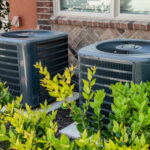
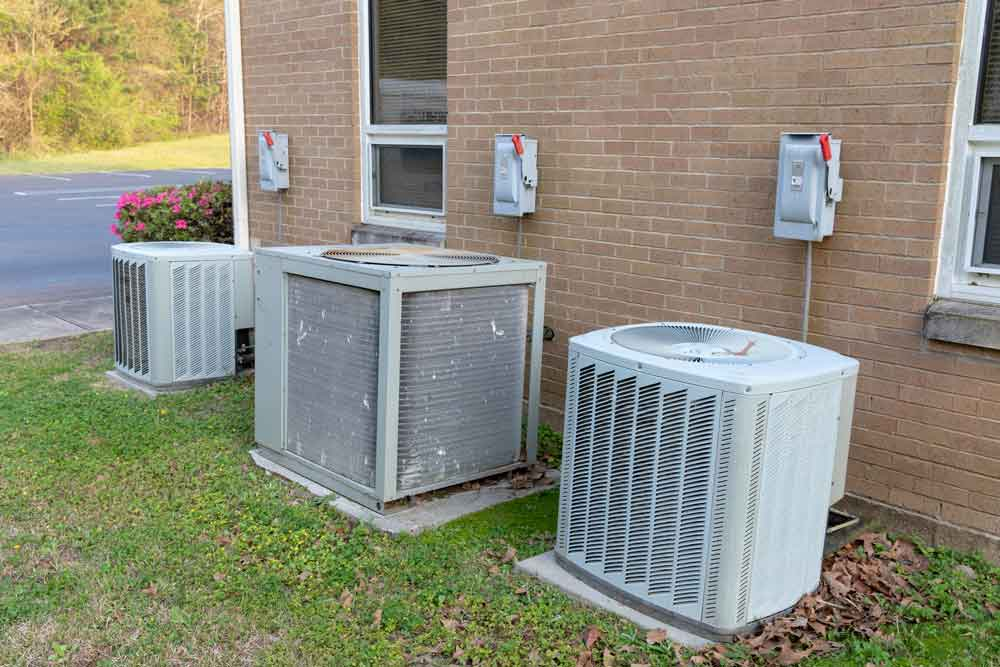
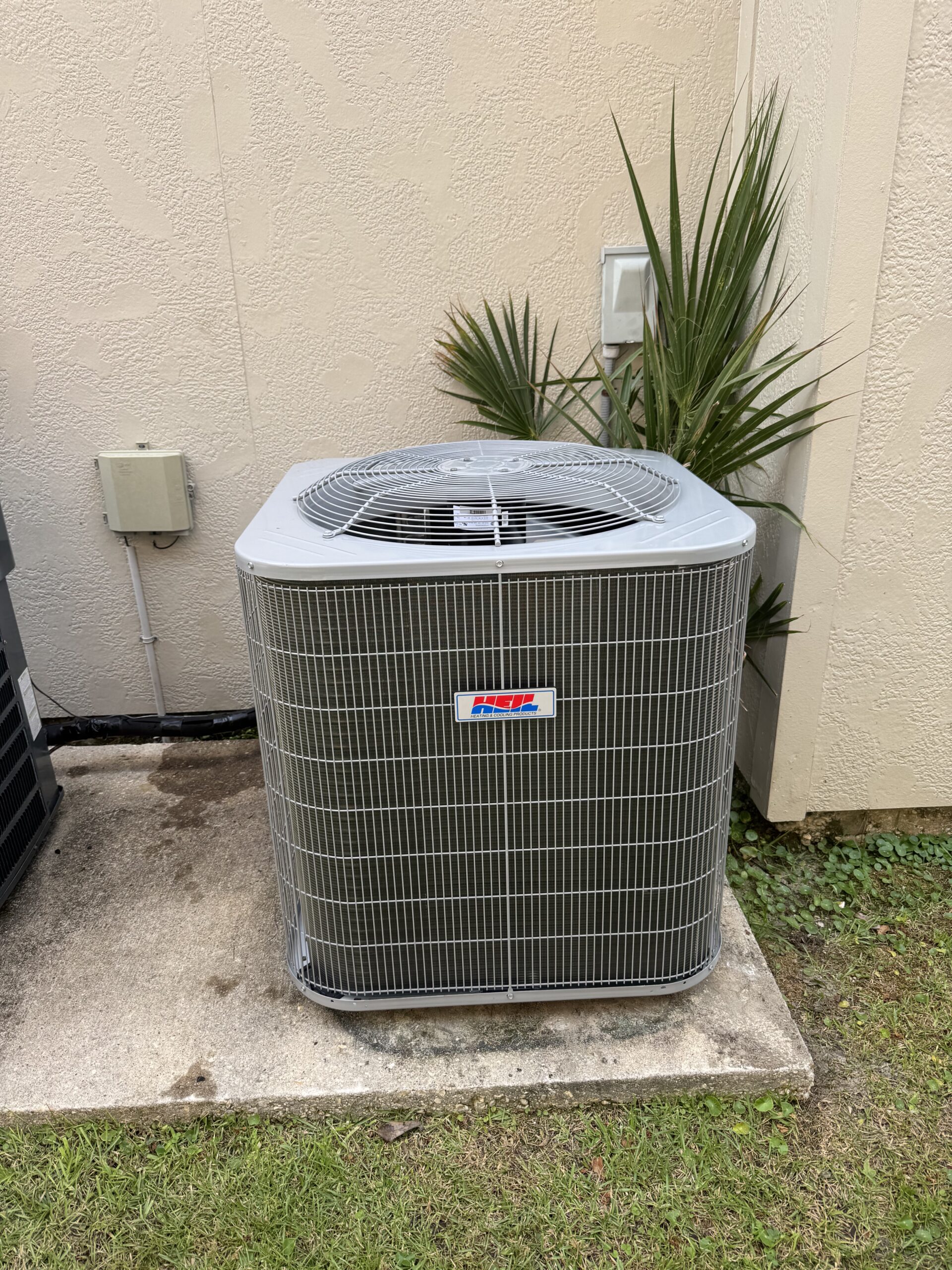
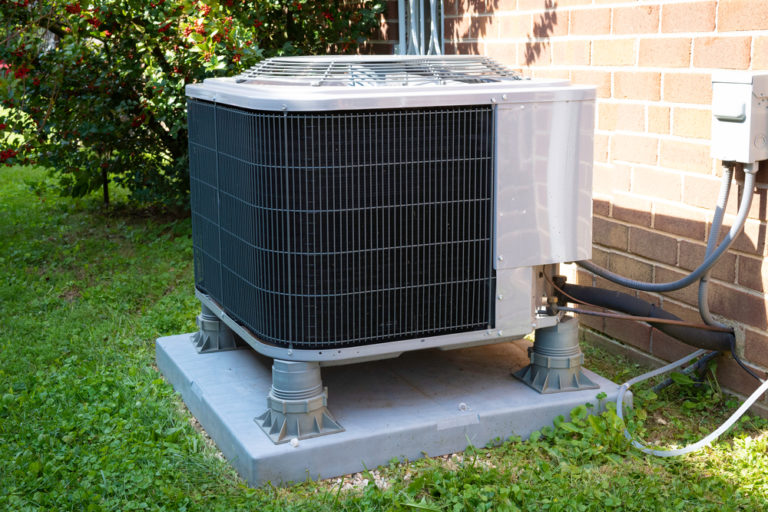
Your AC’s outdoor condenser needs to breathe. Vegetation, lawn debris, and accumulated leaves block airflow and reduce capacity:
- Keep at least 2-3 feet of clearance on all sides
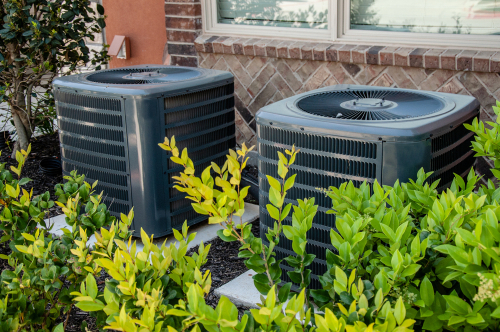
- Trim back nearby plants, especially anything that drops leaves or seed pods
- Clean cottonwood fluff out of the coil if you have nearby cottonwood trees
- Hose down the outside of the coil gently (with the breaker off) to clear surface dust
- Don’t cover the unit in summer — covers trap heat and reduce performance
7. Watch for warning signs
Most summer AC failures give some warning before they happen completely. Pay attention to:
- Weak airflow at any vent
- Cooling that’s getting progressively worse over days or weeks
- Unusual noises — banging, grinding, hissing, squealing
- Water around the indoor unit — drain line problem developing
- Ice on refrigerant lines or the coil — freezing problem
- Climbing electric bills with no other explanation
- Rooms that won’t cool like they used to
A service call when you notice these is much cheaper than an emergency call after the system fails completely.
8. Know the difference between needing service and needing emergency repair
Not every AC issue is an emergency. Some are — others can wait until business hours.
Wait until morning:
- AC cooling weakly but the home is still tolerable
- Minor water around the indoor unit (not flooding)
- New unusual noise that’s not constant
- Climbing electric bills
Call now:
- AC completely not cooling, indoor temperature climbing rapidly
- Major water leak from the indoor unit
- Burning electrical smell
- AC making loud banging or grinding sounds
- Anyone in the home is medically vulnerable to heat (infant, elderly, certain health conditions)
JMB A/C provides 24-hour AC repair across New Orleans and emergency AC repair throughout the area for situations that genuinely can’t wait. 24 hours air conditioning service exists for the real emergencies — the no-cool nights with vulnerable family members, the small water leaks turning into ceiling damage, the failures that can’t wait for tomorrow.
9. The case for an HVAC emergency plan
If you’ve never thought about it, here are the benefits of an HVAC emergency plan or maintenance agreement:
- Predictable service intervals — two visits per year, scheduled in advance
- Priority scheduling during peak season when everyone is calling
- Discounts on any repairs that are needed
- Better system performance and longevity because the system gets consistent attention
- One known contact so you’re not searching “24 hour AC repair near me” at 11 PM on a Saturday
For most homes, the math on a maintenance plan works out — especially given how brutal New Orleans summers are on equipment. The peace of mind alone is often worth it.
10. Plan ahead before replacement is forced on you
If your system is more than 10-12 years old, has had multiple recent repairs, or runs constantly to keep up, start the replacement conversation before the system fails completely. Planning a replacement gives you:
- Time to compare options and get multiple quotes
- The ability to schedule during shoulder season when contractor availability is better
- Better negotiating position than “my AC just died and I need it replaced today”
- Time to consider efficiency upgrades and incentives
A system that fails in late July when every HVAC company is overwhelmed often means longer wait times, fewer equipment choices (whatever’s in stock), and worse pricing.
11. Address humidity, not just temperature
Comfort in our climate is as much about humidity as temperature. A 74°F room with high humidity feels worse than a 76°F room with low humidity. If your home feels clammy even when the temperature is right, see our guide on why a room feels humid with the AC on. The fix is often a drain line treatment, a thermostat fan setting change, or duct sealing — all relatively inexpensive.
12. Keep your service company on speed-dial
When the AC dies on a Saturday in July, you don’t want to be evaluating three new contractors over the phone. Pick a reputable HVAC company before you need them, get them out for a tune-up, and save their number.
Schedule summer service
JMB A/C provides AC service, emergency AC repair, and 24-hour air conditioning service across the New Orleans area and the Northshore. Whether you need a spring tune-up, a mid-summer check, or emergency response when something fails, we’re here.
Call (985) 290-4395 or schedule online at https://jmbac.com/contact-us/.
We hope you take these HVAC tips for homeowners in the summer seriously, and we hope to see you soon.